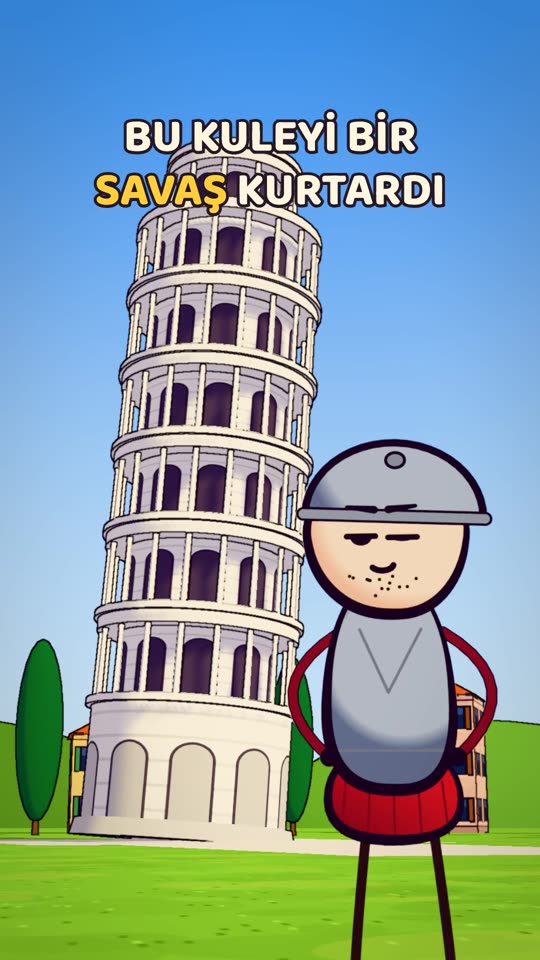
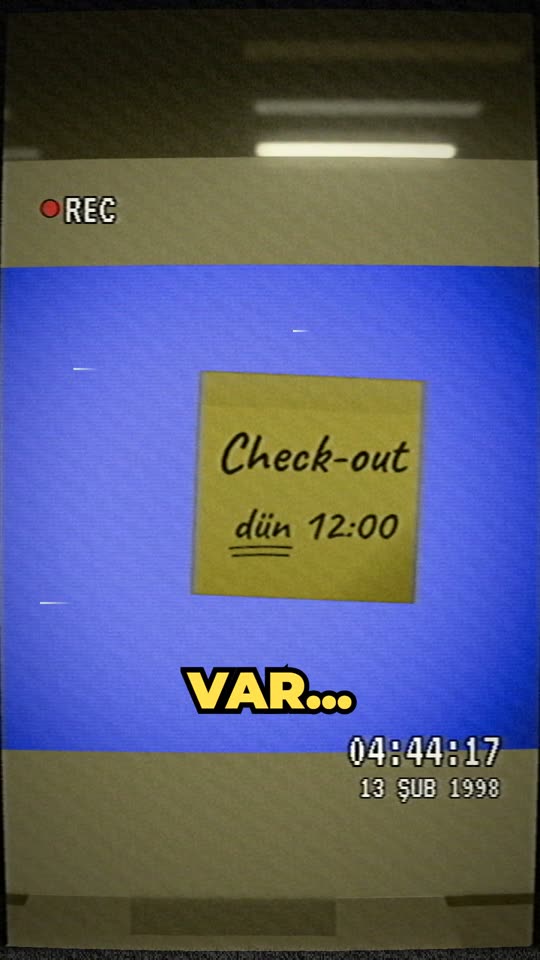
How this format is built
- First line: an unnamed person doing something strange and physical, already under way on screen.
- The setting in one line: where and when.
- Five to seven escalating beats: time jumps, things in threes.
- A doubter laughs in one short line; the hero answers in one.
- Just past the middle the story turns; near the end, “You see…” reveals the real mechanism in a cutaway.
- An ironic payoff, ending on the last word.
Tips
- Don’t name people; “a man” or “an engineer” is enough, because the mechanism is the star.
- Write short, spoken sentences and aim for a fast 40–50 seconds.
- Check every number in the story (a weight, a year, a distance) against its source.
Topic ideas
- The man who tried to sell Boston ice in the Caribbean in the early 1800s
- The crews who washed Seattle’s hills away with water cannons
- The giant steel pendulum inside Taipei 101
- London’s Great Stink of 1858 and the sewers that followed
- How the Dutch won land from the sea with windmills
Who it suits
It suits science, engineering and history channels that answer “how did that happen?” in a fun cartoon style.